
Sonography
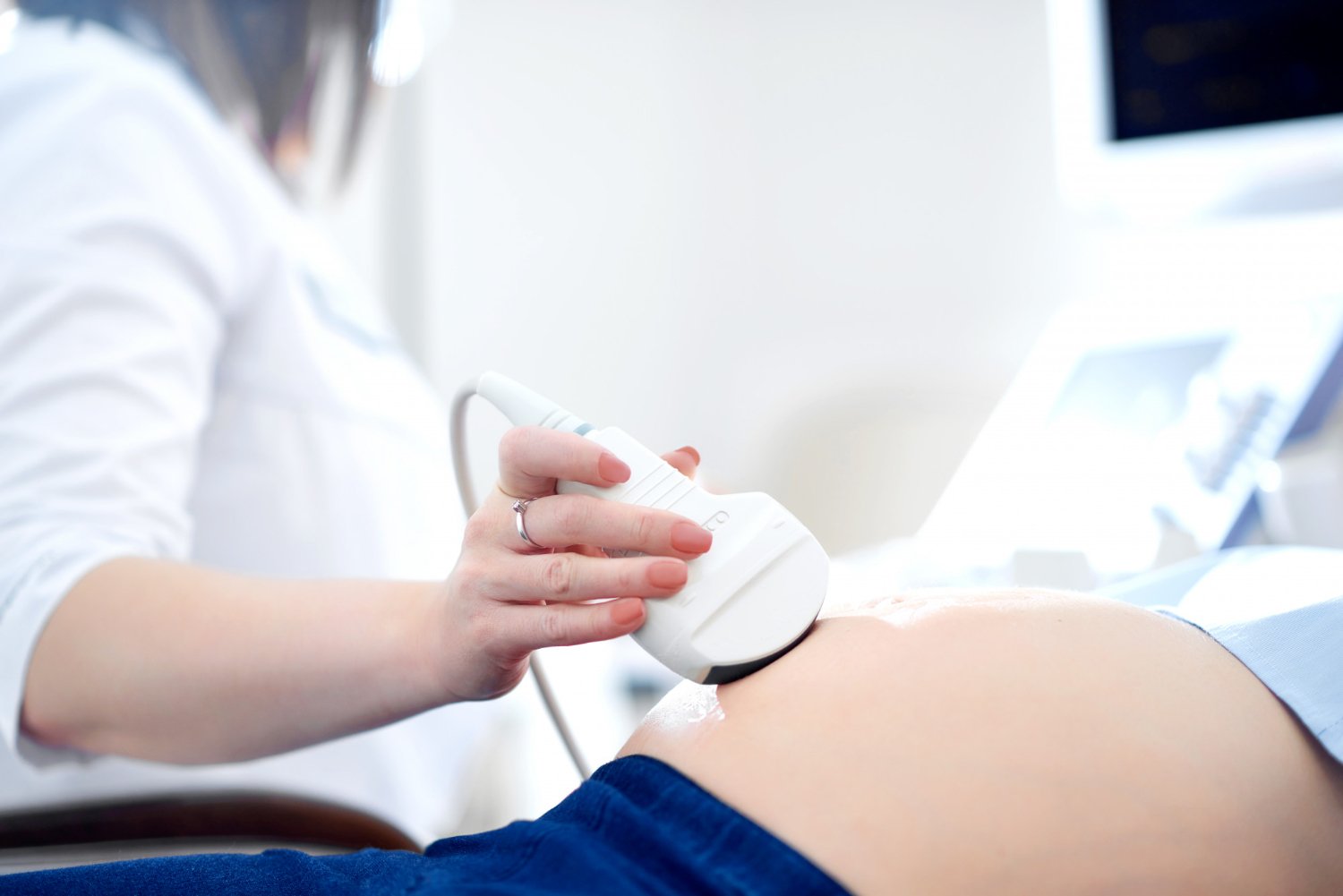
Sonography, also known as an ultrasound scan, is a safe, painless, and non-invasive imaging test that uses high-frequency sound waves to create images of organs inside the body. It helps doctors diagnose medical conditions, monitor organ health, and guide treatment decisions. Sonography does not use radiation, making it completely safe for all age groups, including pregnant women.
At our diagnostic center, we provide accurate and high-quality ultrasound scans using advanced equipment, ensuring reliable results and patient comfort.
Types of Sonography
1. Abdominal Sonography
Used to examine organs such as the liver, gallbladder, kidneys, pancreas, spleen, and urinary bladder. It helps detect stones, infections, tumors, and other abnormalities.
2. Pelvic Sonography
Used to evaluate the uterus, ovaries, cervix, and bladder in women, and the prostate in men. It is commonly used to check reproductive and urinary health.
3. Pregnancy (Obstetric) Sonography
Used to monitor the baby’s growth and development during pregnancy. It helps confirm pregnancy, check the baby’s position, heartbeat, and overall health.
4. Transvaginal Sonography (TVS)
A special type of pelvic ultrasound used to get detailed images of the uterus and ovaries, especially useful for detecting cysts, fibroids, and early pregnancy.
5. Doppler Sonography
Used to measure blood flow in veins and arteries. It helps detect blockages, clots, and circulation problems.
6. Breast Sonography
Used to examine breast lumps, pain, or abnormalities and is often done along with mammography.
Invasive Procedure
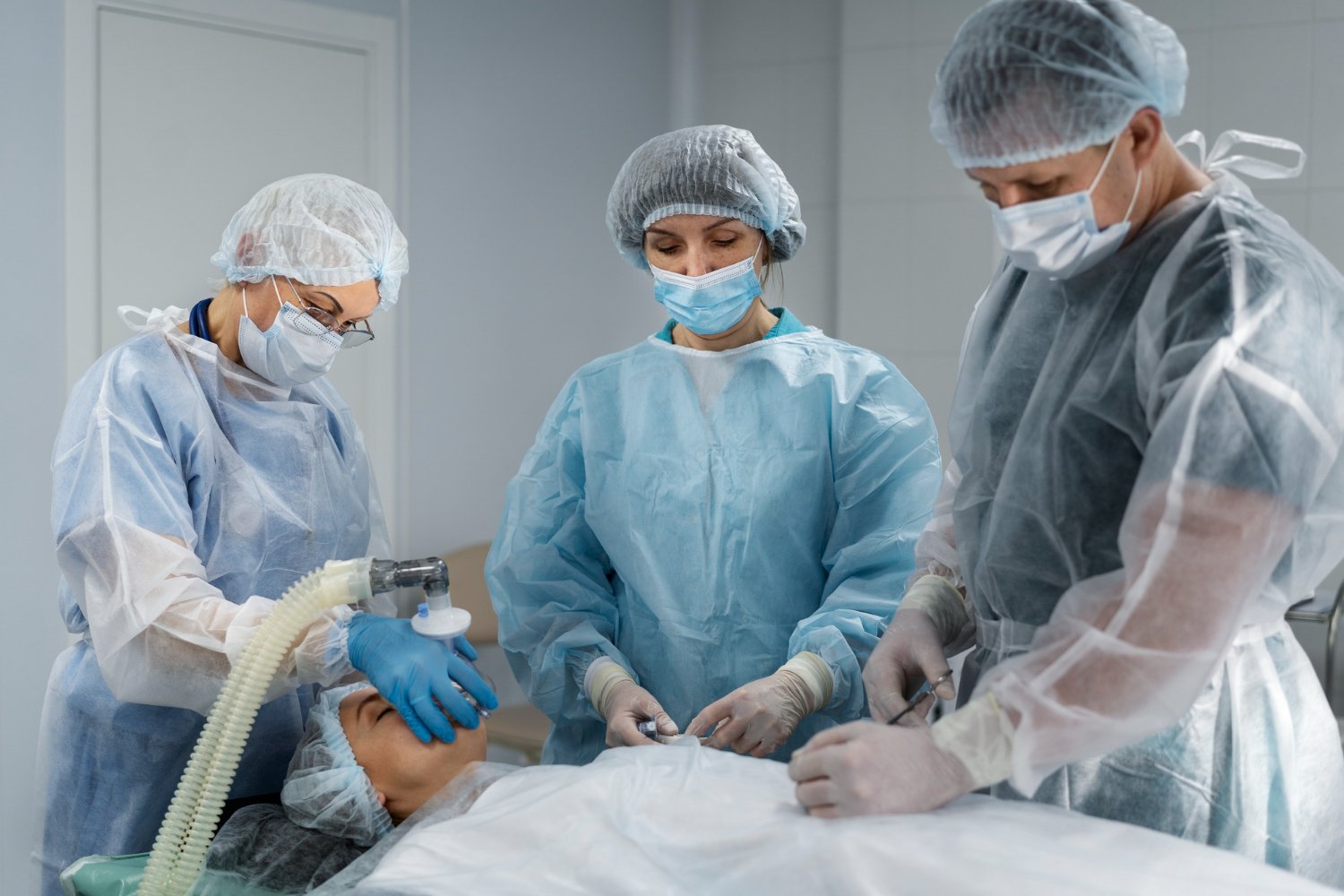
Invasive procedures are medical techniques in which a small instrument, needle, or tube is inserted into the body to collect samples, examine organs, or perform minor treatments. These procedures help doctors diagnose diseases accurately and guide proper treatment.
At our diagnostic center, all invasive procedures are performed by experienced specialists using advanced technology and strict safety and hygiene protocols to ensure patient comfort and accurate results.
Types of Invasive Procedures
1. Biopsy
A small tissue sample is taken from an organ or lump to check for infections, inflammation, or cancer.
2. Fine Needle Aspiration Cytology (FNAC)
A thin needle is used to collect cells from a lump or swelling for laboratory testing.
3. Core Needle Biopsy
A slightly thicker needle is used to remove a small piece of tissue for more detailed analysis.
4. Fluid Aspiration
Fluid is removed from cysts, joints, or body cavities to relieve discomfort or test for infection.
5. Drainage Procedures
Used to remove infected or excess fluid from abscesses or swollen areas.
6. Image-Guided Procedures
Ultrasound or CT scans are used to guide the needle or instrument accurately during biopsy or aspiration.
Pathology Test
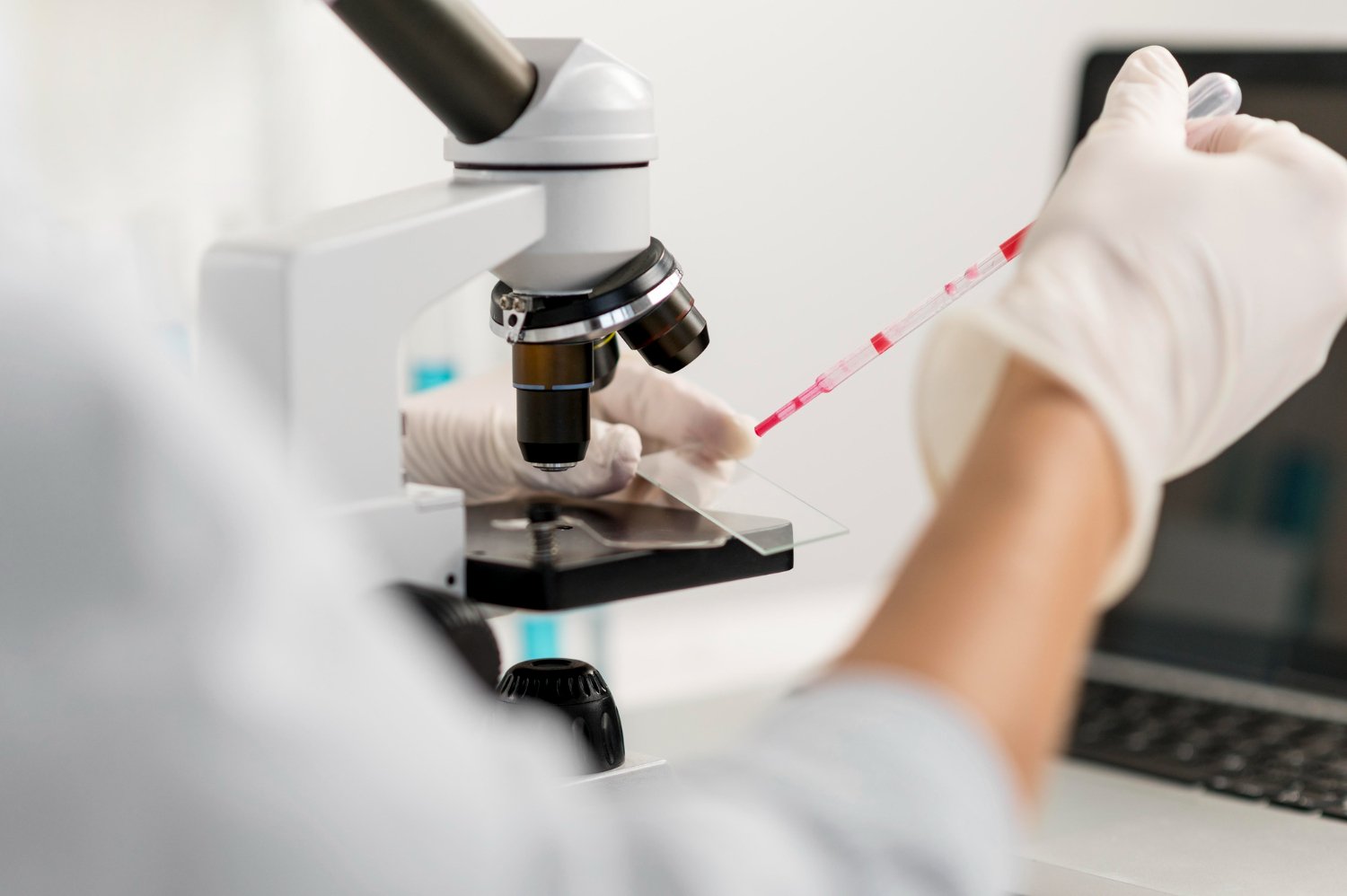
Pathology tests are laboratory examinations of blood, urine, stool, and tissue samples used to diagnose diseases, monitor health conditions, and evaluate treatment effectiveness. These tests play a crucial role in early detection and accurate diagnosis of infections, diabetes, cancer, hormonal disorders, and many other medical conditions.
At our diagnostic center, we use advanced laboratory equipment and strict quality control measures to deliver precise, fast, and reliable pathology test results.
Types of Pathology Tests
1. Blood Tests
Used to check blood sugar, cholesterol, hemoglobin, infection, liver and kidney function, and overall health.
2. Urine Tests
Used to detect infections, kidney problems, diabetes, and other metabolic disorders.
3. Stool Tests
Used to identify infections, digestive problems, and blood in the stool.
4. Biochemistry Tests
Used to evaluate organ function such as liver, kidney, heart, and pancreas.
5. Hematology Tests
Used to study blood cells and diagnose anemia, infections, and blood disorders.
6. Hormone Tests
Used to check thyroid, fertility, growth, and other hormonal levels.
7. Microbiology Tests
Used to detect bacteria, viruses, and fungal infections.
8. Histopathology
Used to examine tissue samples to detect cancer, inflammation, or abnormal cell growth.
X-Ray
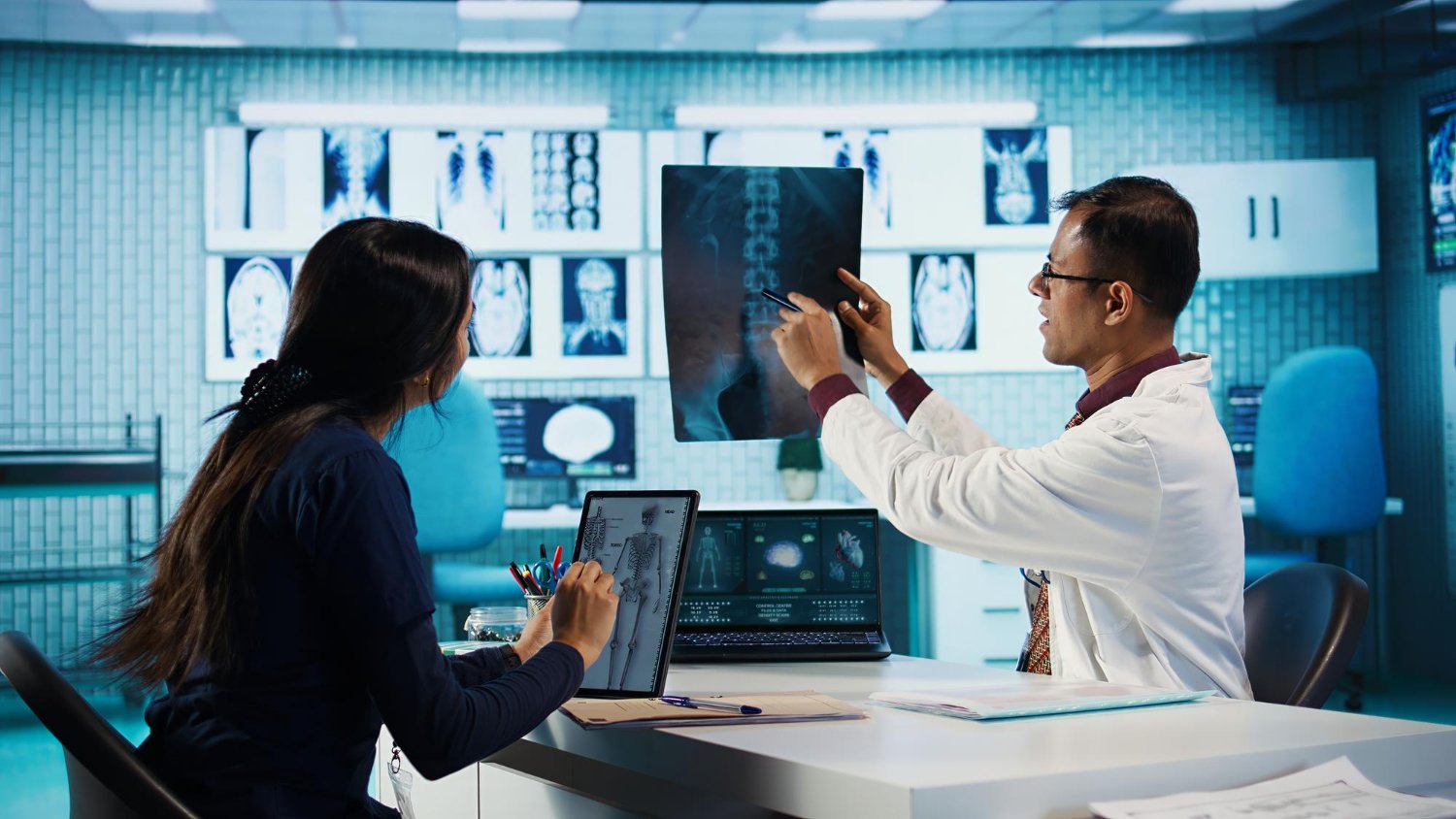
An X-ray is a quick and painless imaging test that uses low-dose radiation to capture clear images of bones, lungs, and internal organs. It helps doctors diagnose fractures, infections, blockages, lung diseases, and many other medical conditions.
At our diagnostic center, we use modern digital X-ray technology that provides high-quality images with minimal radiation exposure, ensuring accurate results and patient safety.
Types of X-Ray
1. Chest X-Ray
Used to examine the lungs, heart, and ribs. It helps detect infections, pneumonia, tuberculosis, and heart-related conditions.
2. Bone X-Ray
Used to identify fractures, joint problems, bone infections, and arthritis.
3. Spine X-Ray
Used to check the neck, back, and spinal alignment for injuries, disc problems, or deformities.
4. Abdominal X-Ray
Used to view the stomach, intestines, and kidneys to detect blockages, stones, or foreign objects.
5. Dental X-Ray
Used to examine teeth, gums, and jaw bones to detect cavities, infections, and alignment issues.
6. Sinus X-Ray
Used to check sinus infections, blockages, or inflammation.
7. Joint X-Ray
Used to examine knee, shoulder, hip, and other joints for pain, swelling, or damage.